Arctic Safety Equipment - a Master Thesis project
To aid both the community and professionals
in future Search and Rescue Operations
Core Problem
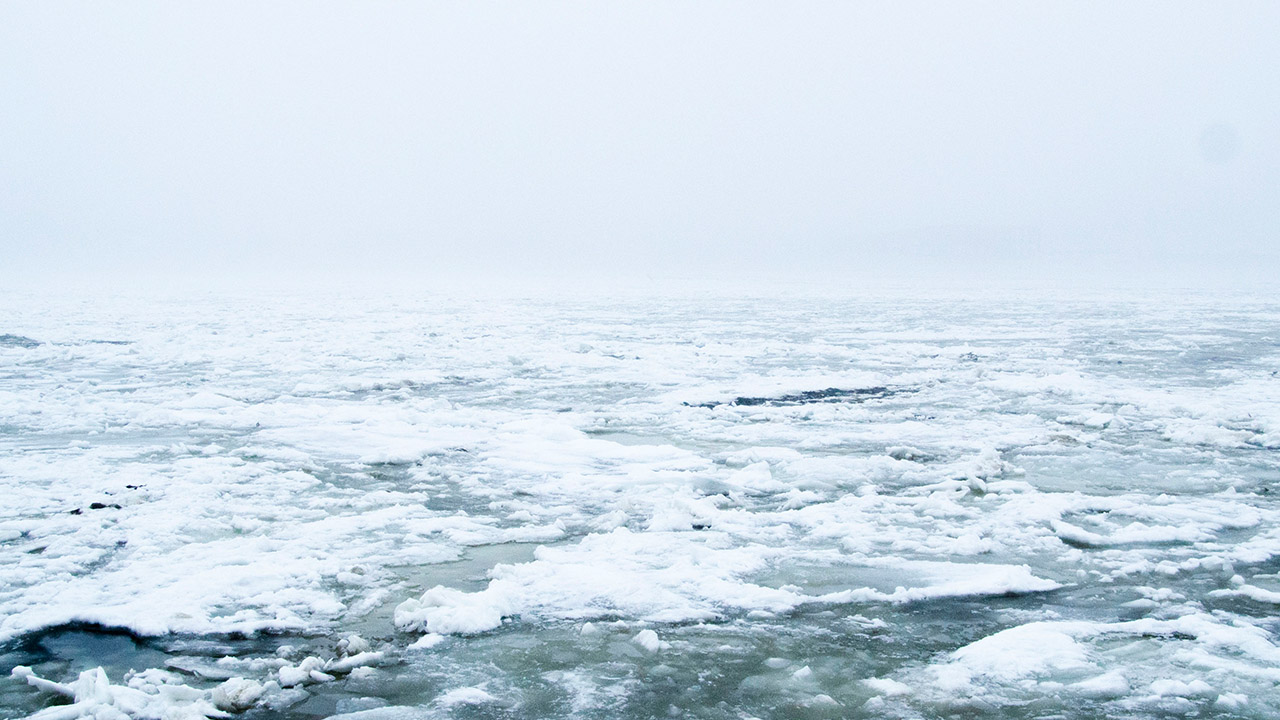
Search and Rescue operations in the Arctic is an enormous challenge due to a vast geographical area alongside a community of hunters and fishermen with a lack of focus on safety at sea.
Concept
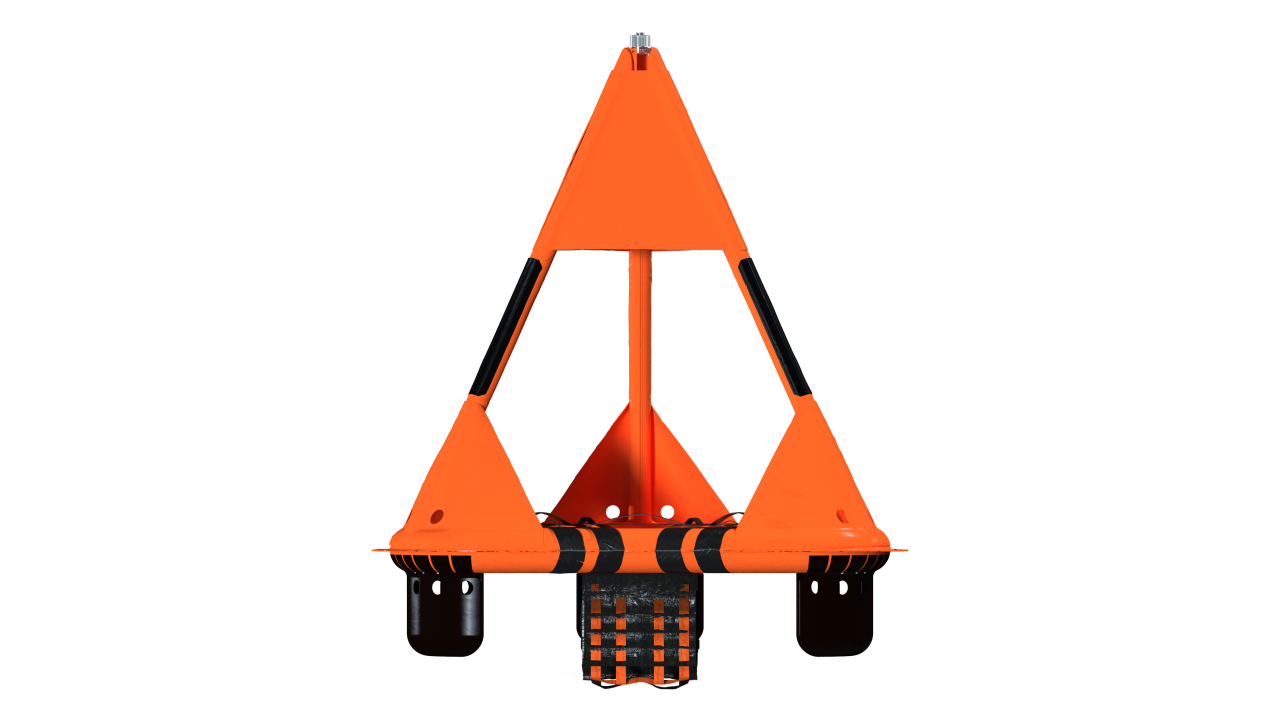
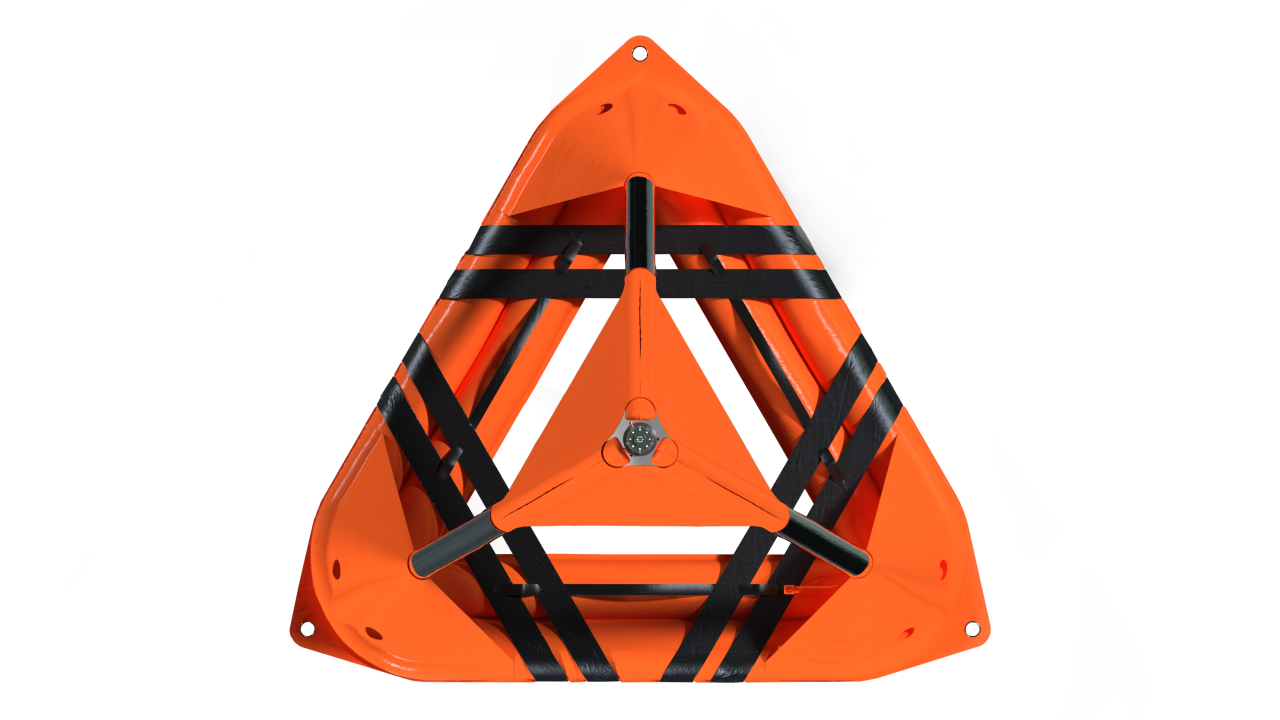
The concept is an inflateable device, that acts as a beacon to transmit distress calls to call for help. It’s build to withstand the harsh enviornment of the Arctic Climate. Through technology the beacon can track your approximate location and broadcast it to all nearby vessels in range and satellites if avaiable.
Value Proposition
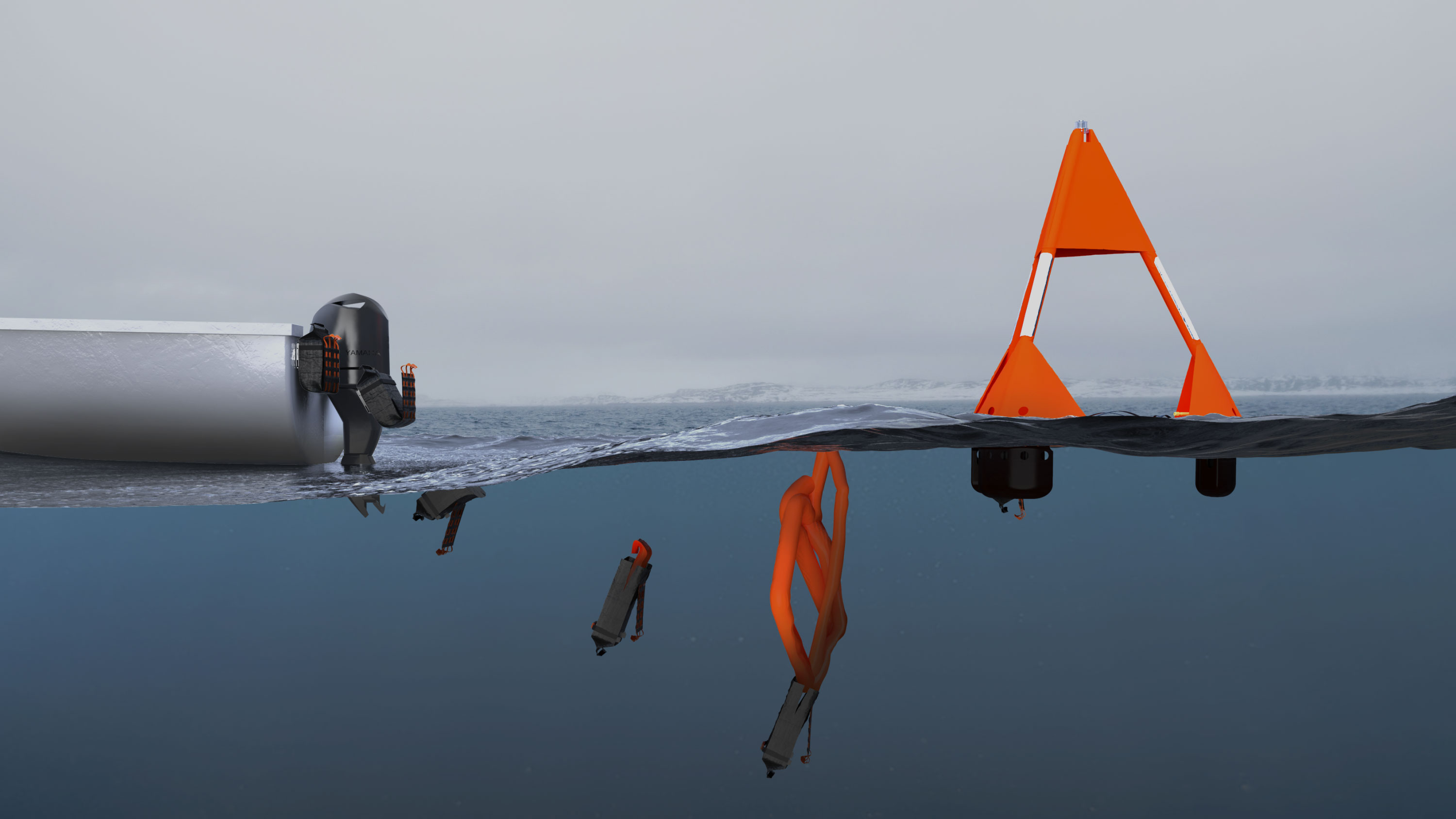
In all, the rescue beacon helps distressed sailors to become far more visible and eases the current issues of finding distressed victims in time. All of this greatly improves chances of survival in remote Arctic regions such as Greenland.
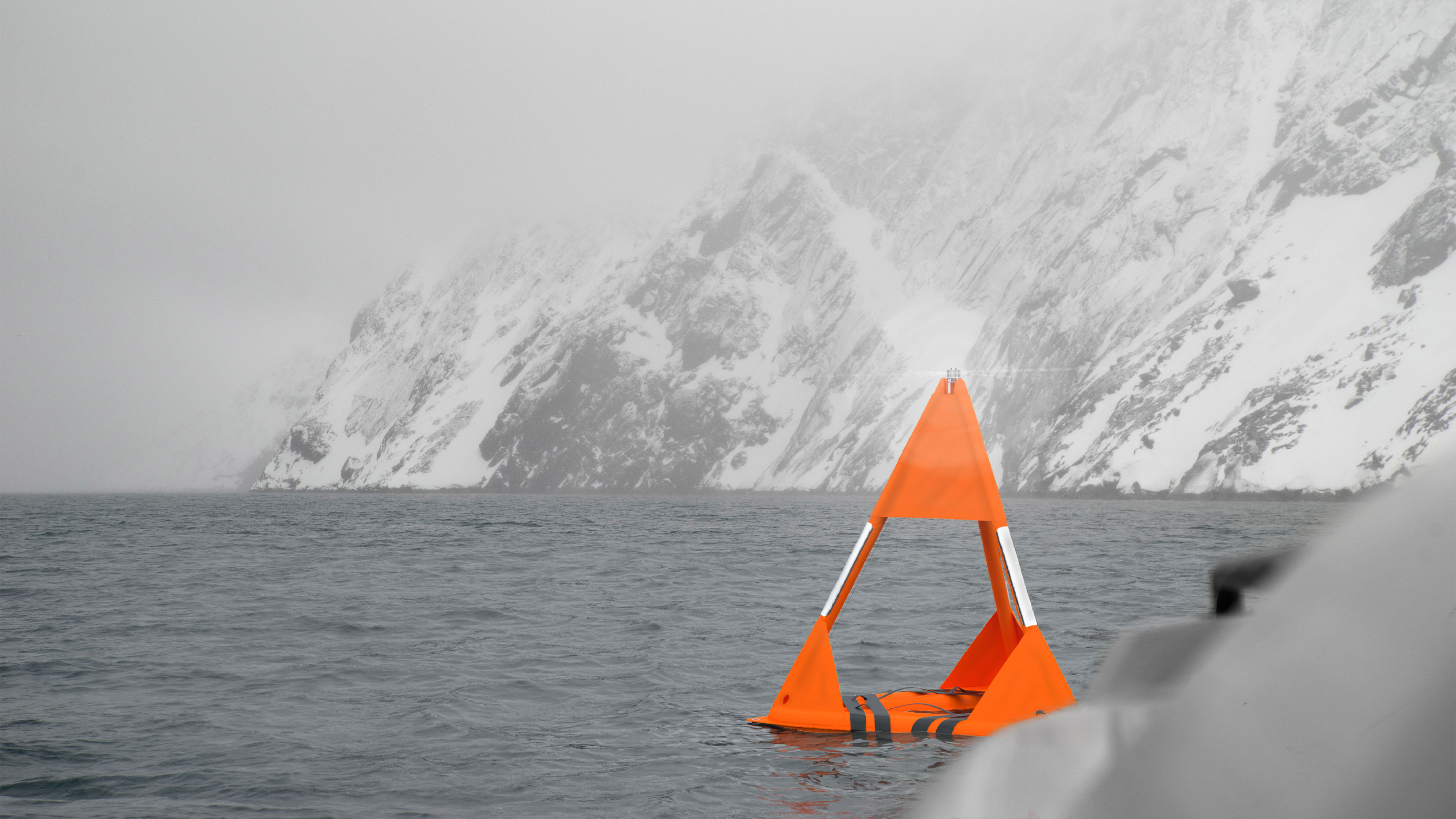
A clear distinctive colour and form allows for an eye-catching feature to be seen from afar.
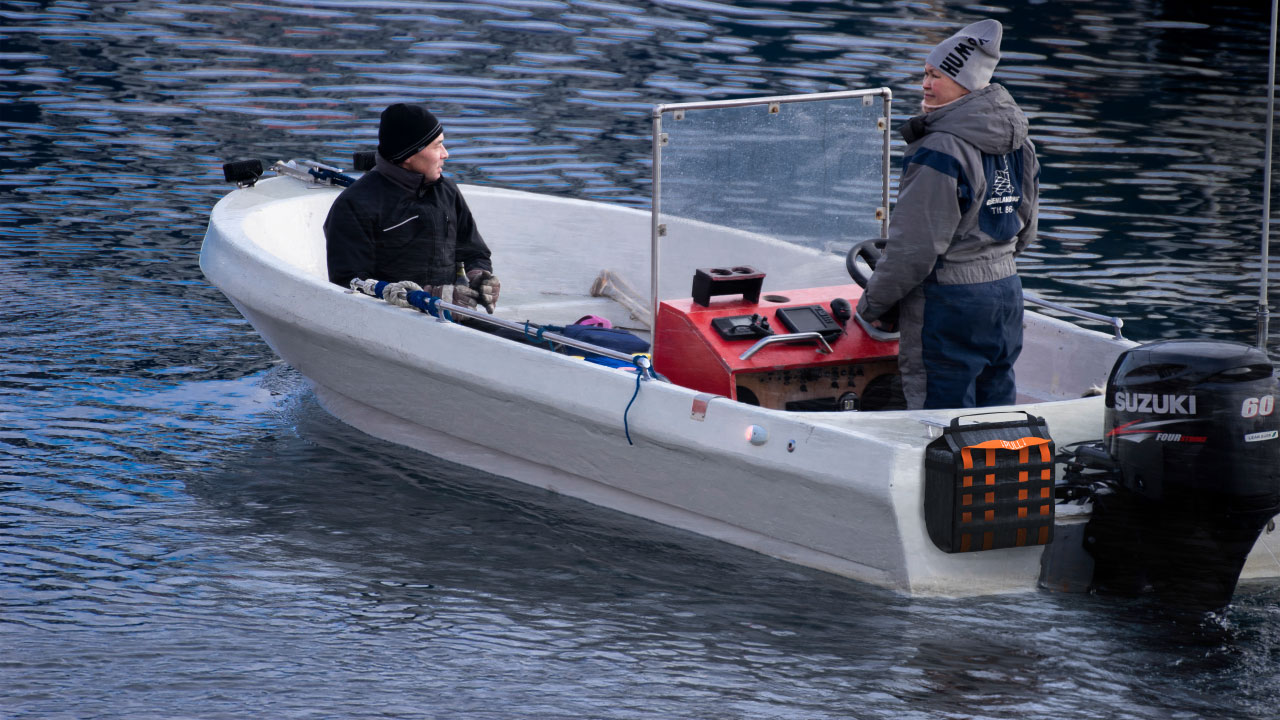
The rescue beacon is stored neatly in a soft box on the backside of a boat.
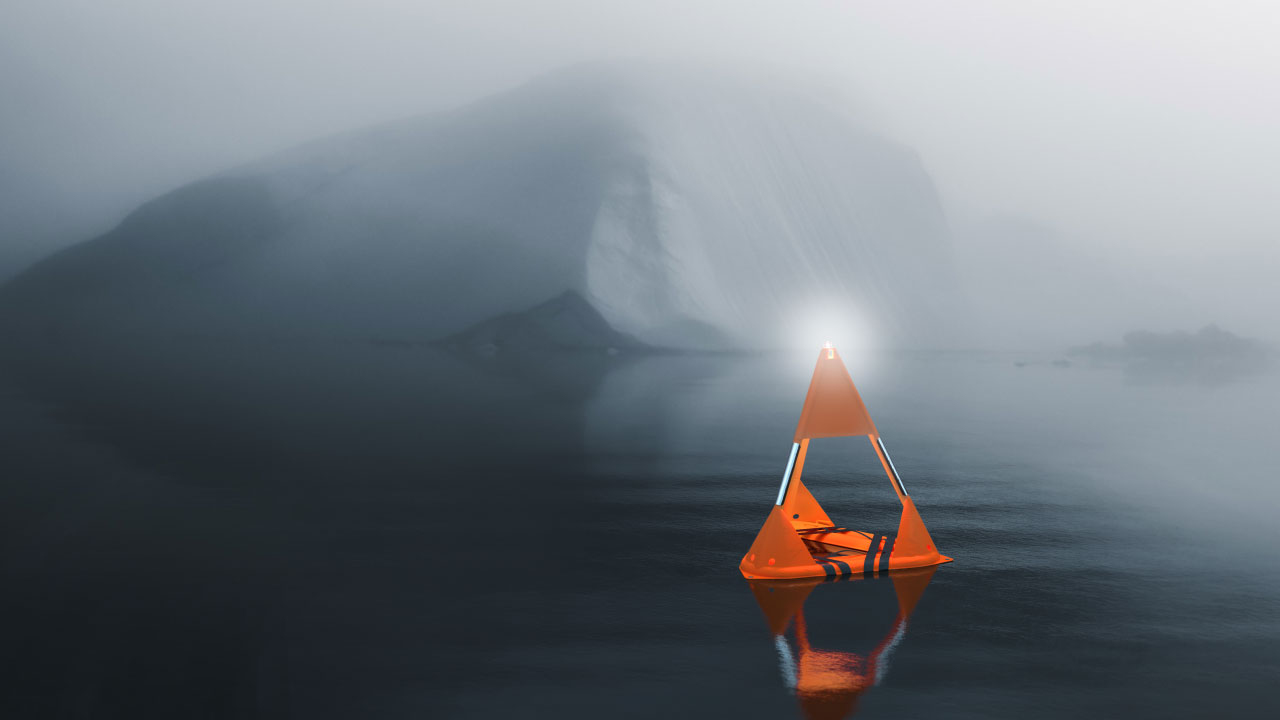
The rescue beacon is equipped with a unique emergency light that flashes and is visible from a great distance.
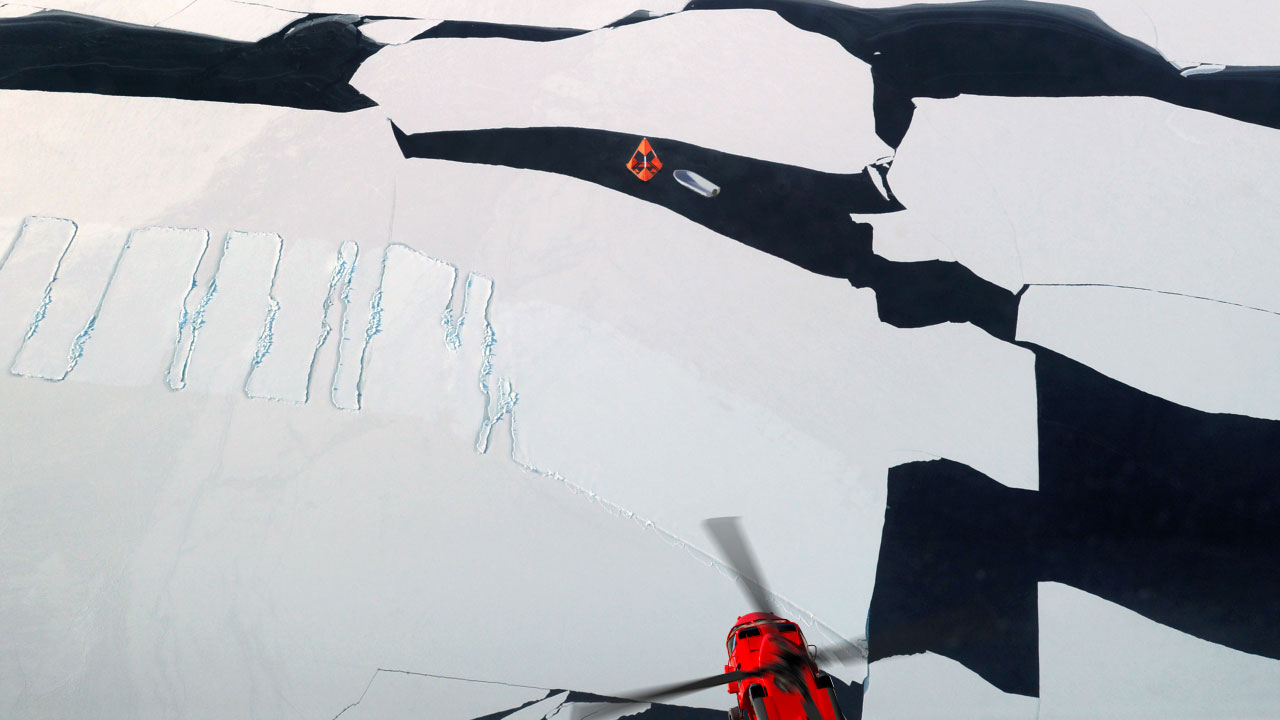
The rescue beacon is designed to be spotted from helicopter - a method of choice by authorities.
Partners during the project
Arctic Command
Helped in providing crucial insights into the Search and Rescue capabilities and issues.
Danish Royal Airforce
Helped in gaining knowledge about the medical capabilities in Search and Rescue operations in the Arctic.
Aalborg University Hospital
Helped in providing crucial insights in the survival capabilities in hypothermia-like temperatures.

Greenland Police
Helped in providing insights into the overview of cases and how the community acts in helping in Search and Rescue operations.
Naviair
Helped in getting technical insights into search capabilities in aerial reconnaissance.
Local fishermen
Helped in gaining knowledge about the users, the culture and crucial feedback during development of the concept.
Local Guides
Helped in gaining knowledge about Greenland, the culture and the community of fishermen and hunters.

KNAPK
Helped in understanding the culture and community of local fishermen and hunters.
Defend Arctic Initiative
Helped getting in touch with future knowledge partners and shares a common interest in the project.
Polar Seafood Greenland
Helped in gaining knowledge about the professional industry of fishing and hunting.
Naalakkersuisut
Helped in understanding the culture and community of local fishermen and hunters.
POLOG
Helped in gaining insights into the issues regarding the infrastructure in the Arctic and Greenland.
Documentation
© 2017 Martin Lundberg