The Concept
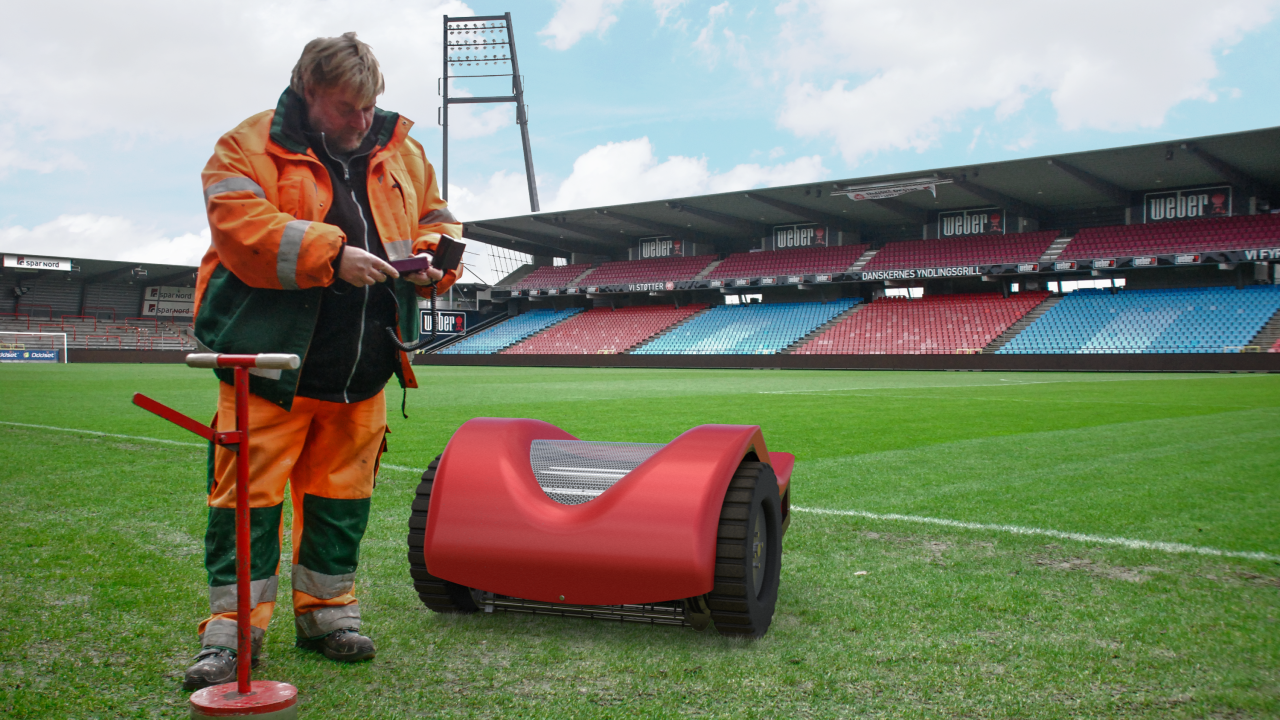
The project is based in Aalborg Portland Football Stadium, where a close collaboration helped solve a serious problem with gabs and holes in the field.
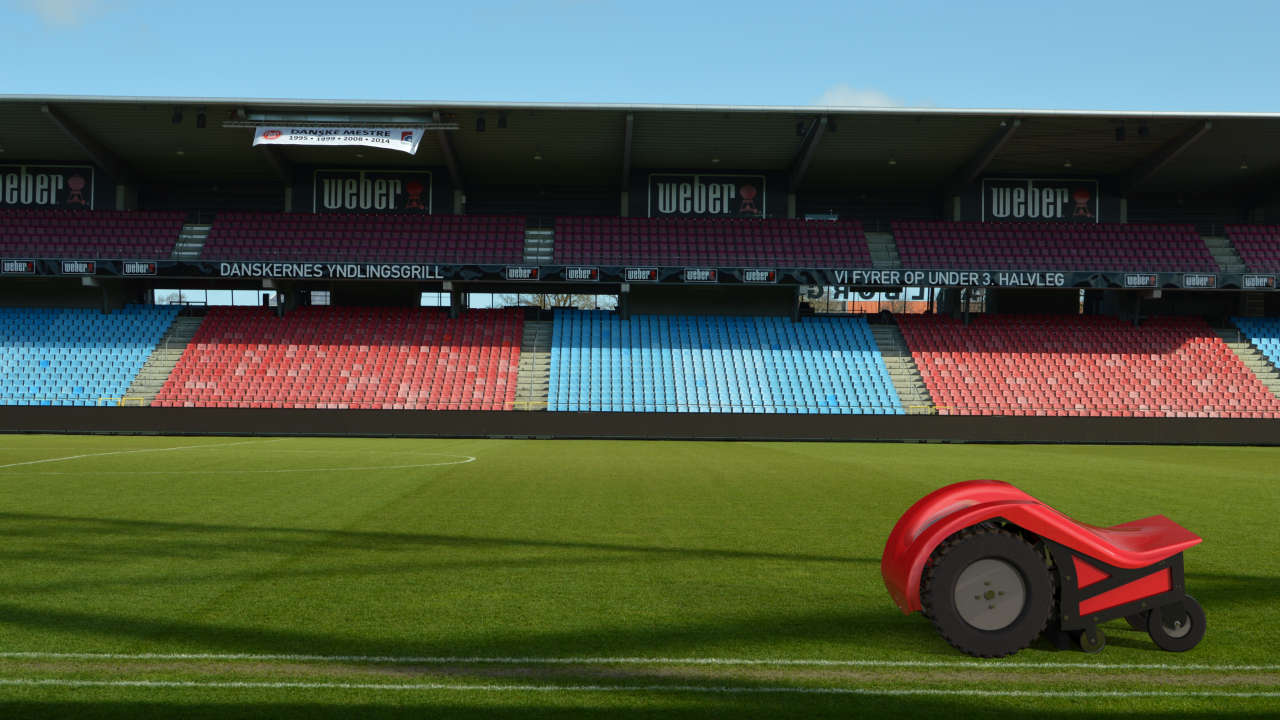
The result of the project is an automatic system for football fields of attending the physical field using small spears to lift the soil.
The project was done in the spring of 2017 in team of five members with a conclusion in a joint oral exam with individual grades.
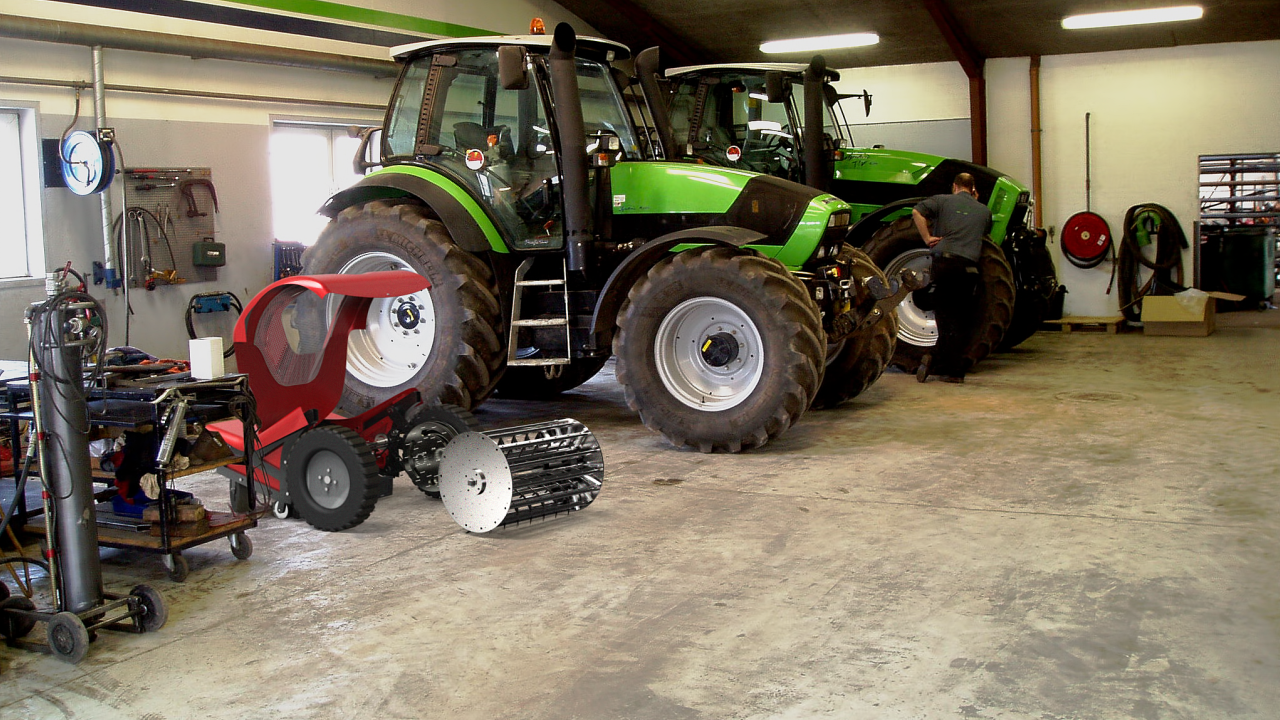
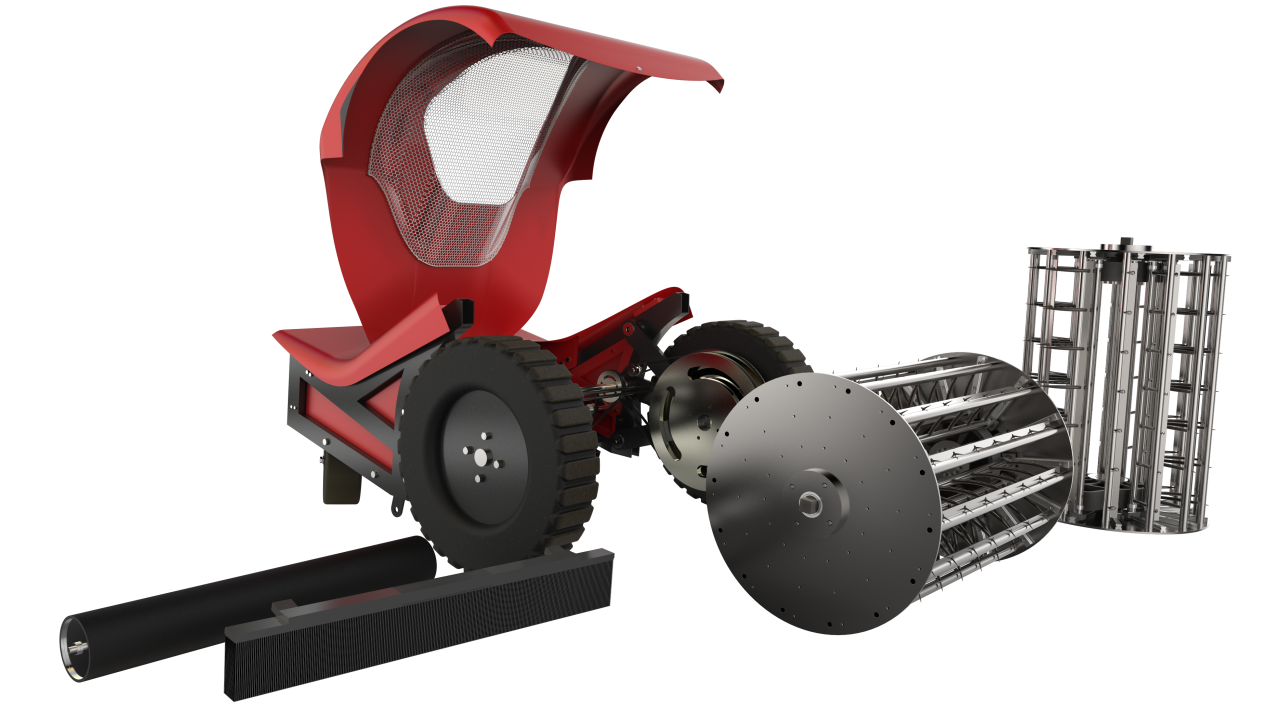
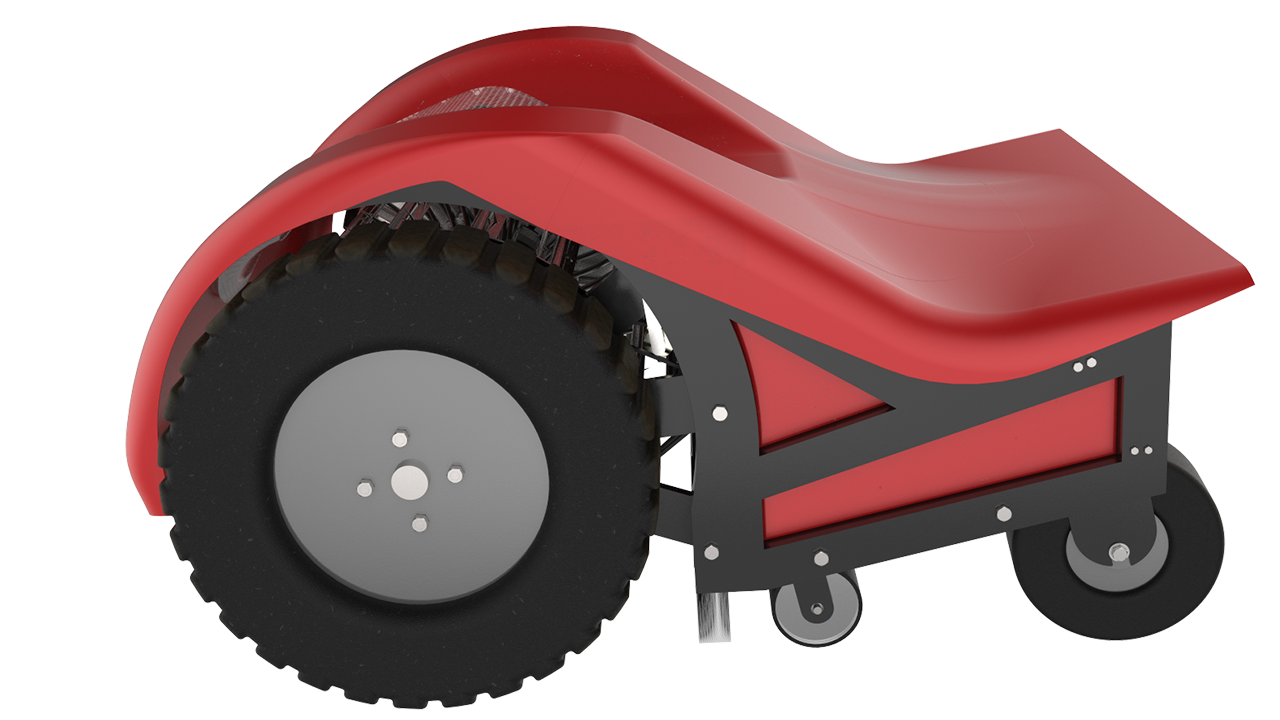
The robot is divided into a series of primary components (clockwise): the unit itself, the drum, a broom and a smaller drum. The broom ensures that pockets of dirt is brushed out where the smaller drum ensures that the field is even after the operation.
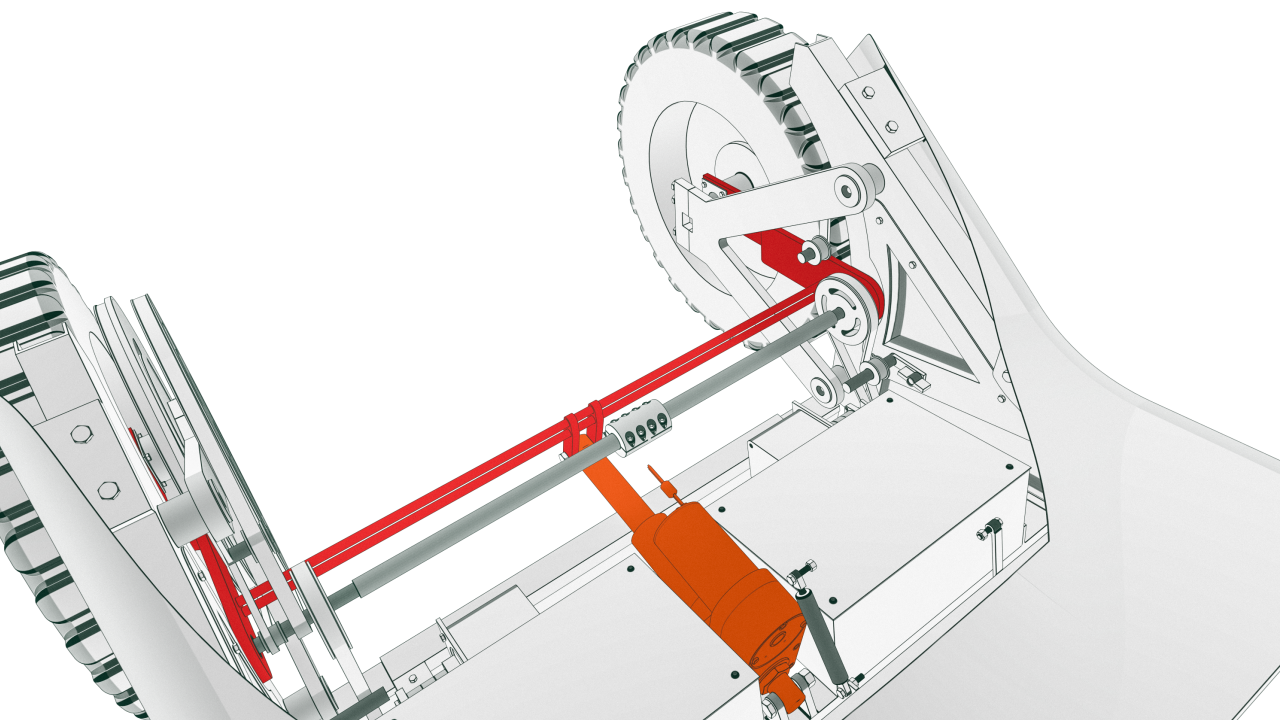
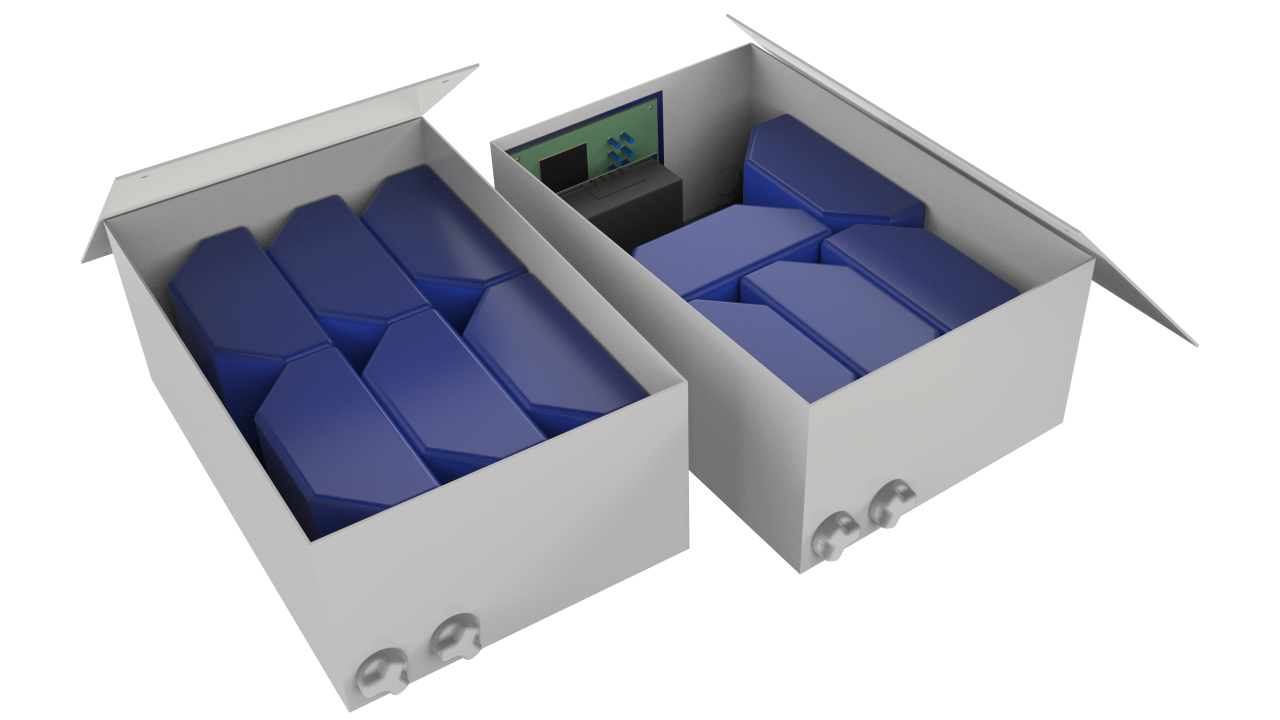
The robot runs on 11 batteries which allow it to complete the whole field two times before charging. The robot is equipped with four motors: to primary DC motors to drive, a stepper motor for turning and a linear actuator for lifting the drum over the ground.
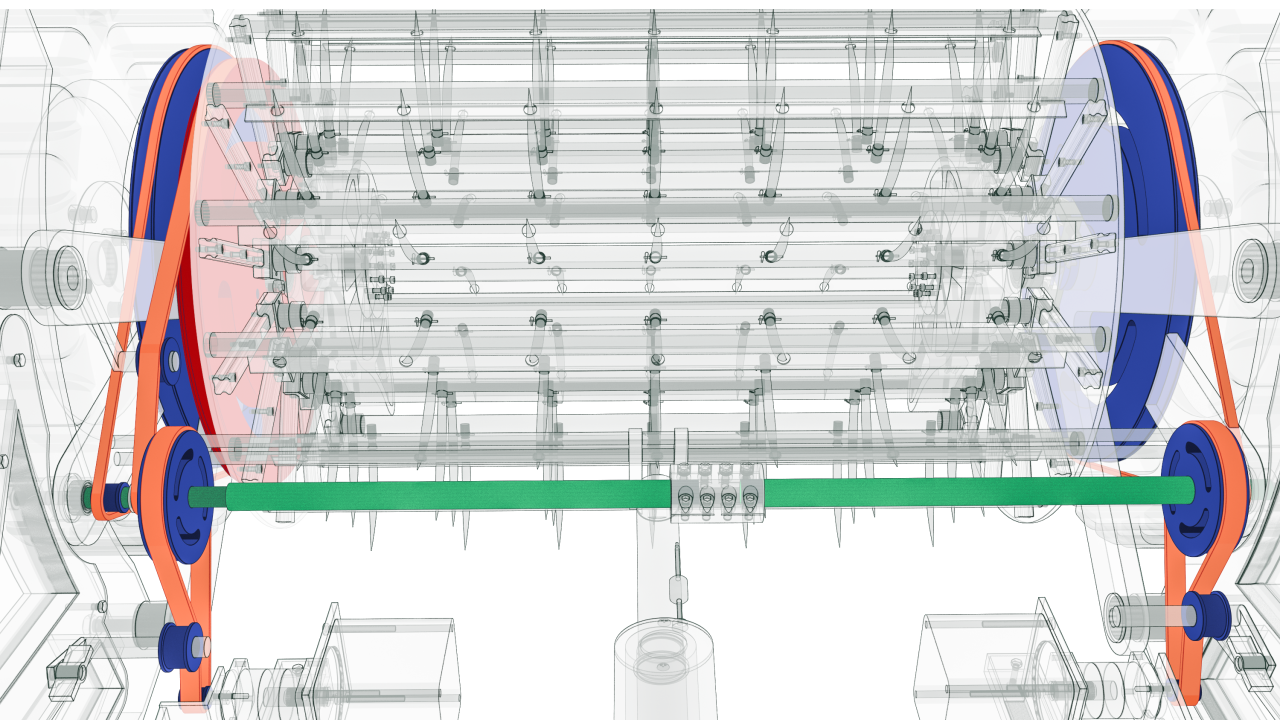
The drum is an advanced assembly of a total 108 small spears placed in pairs of nine mounted to 12 rods. When the robot is driving - at 2 km/h, the motors also turn the whole assembly around a cam-follower.
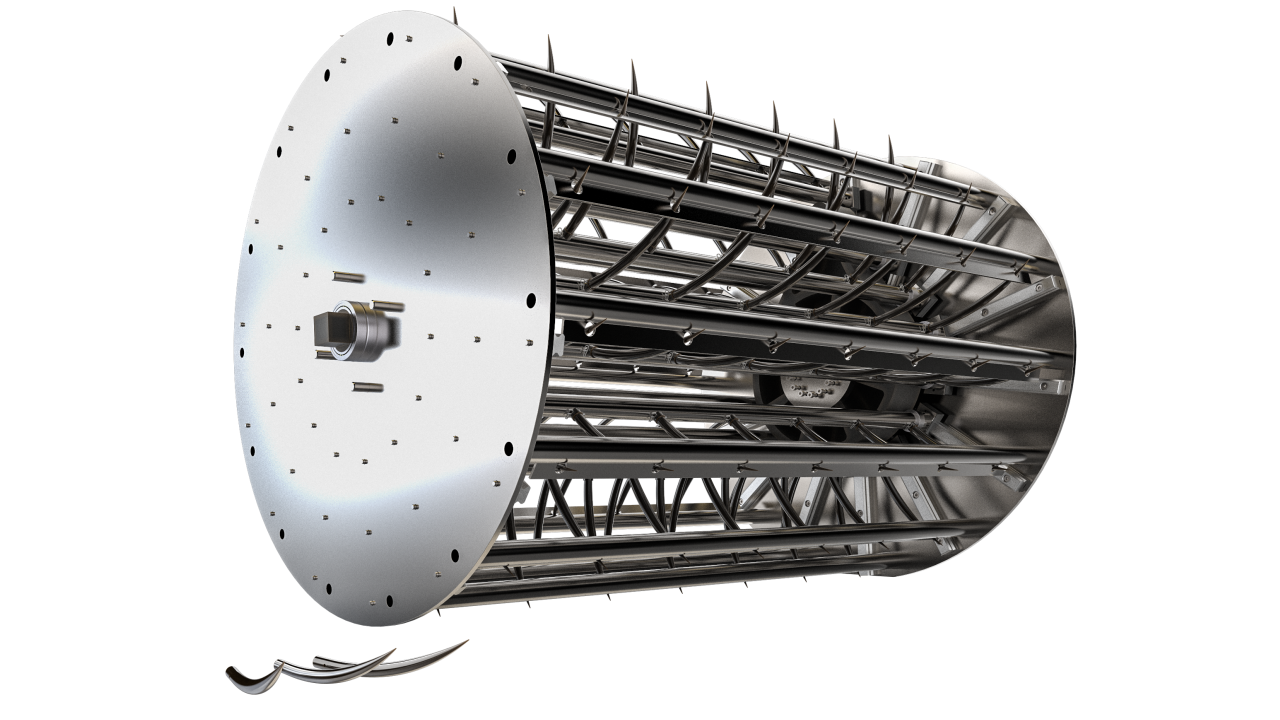
The mechanical system uses a principal called a cam-follow system. The picture below shows how this system allows for only one pair of spears to dig into the soil. Each pair is retracted using a tension spring.

A motion sensor is placed at the very front of the robot to ensure that it doesn’t drive over anyone or anything. The shell is designed for safety regulations to cover the mechanical parts.
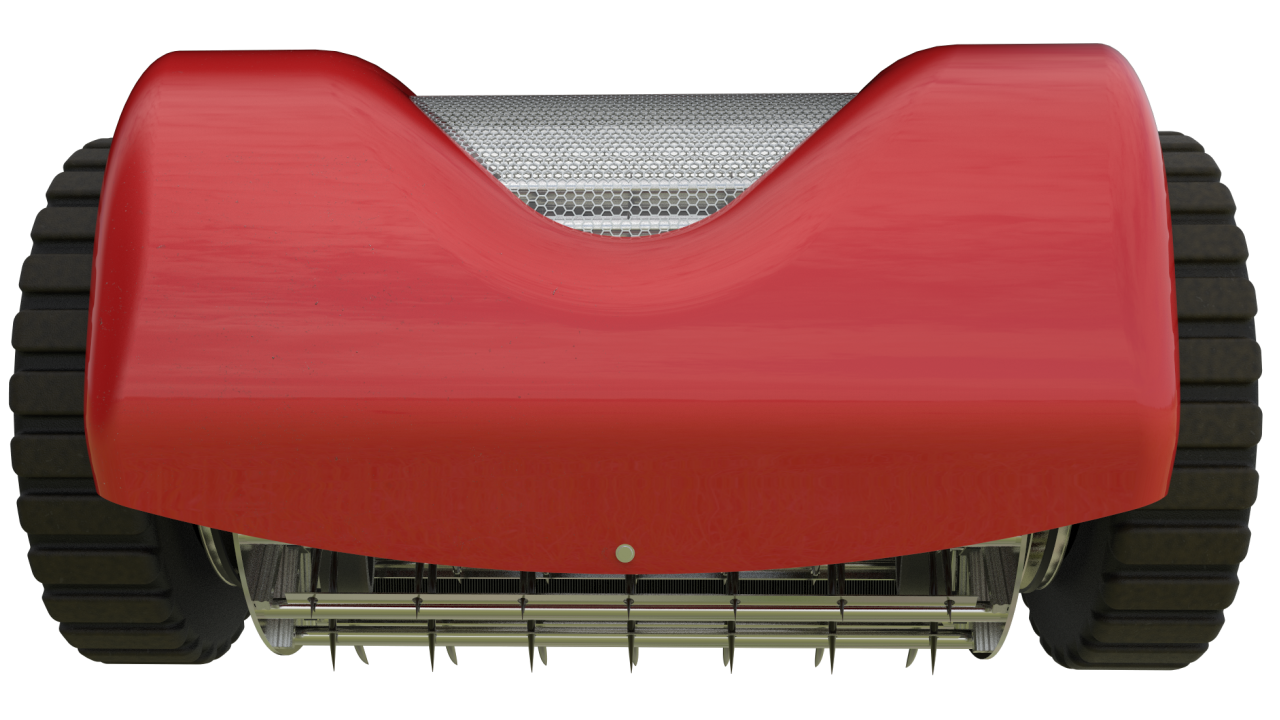
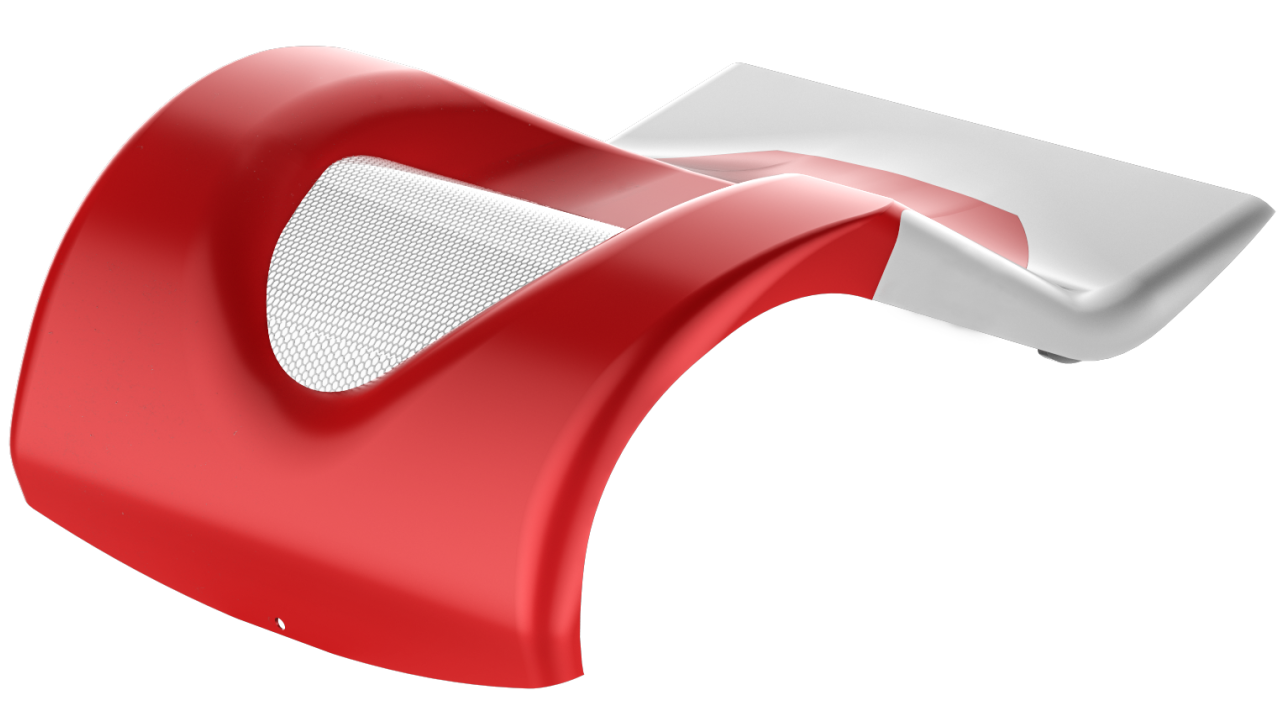
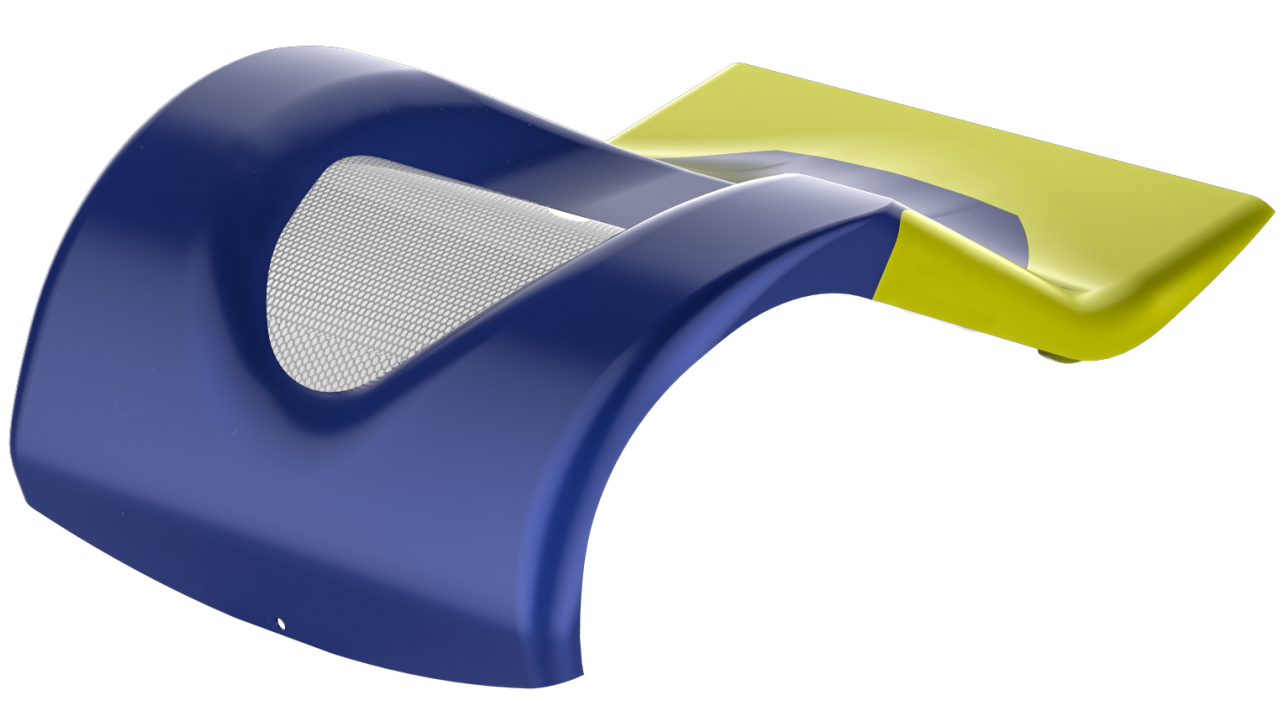
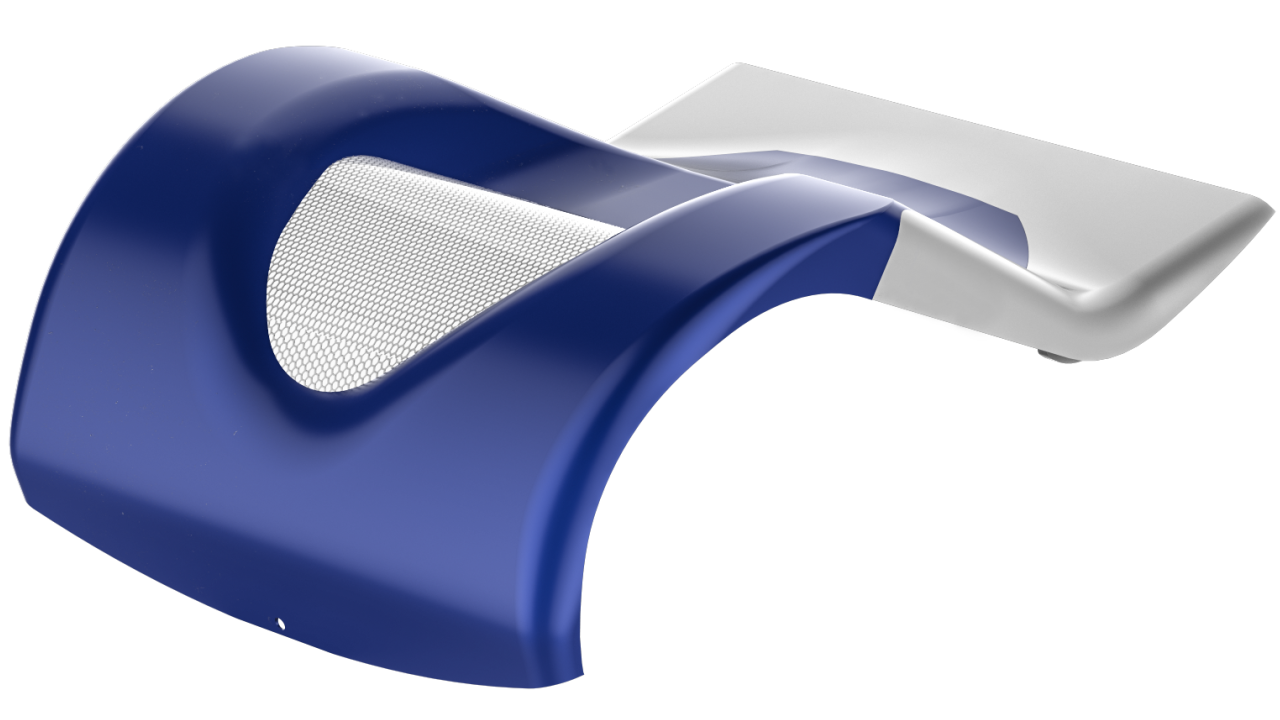
The mechanical system is highlighted through the window in top of the skull where the parts of the drum are visible.
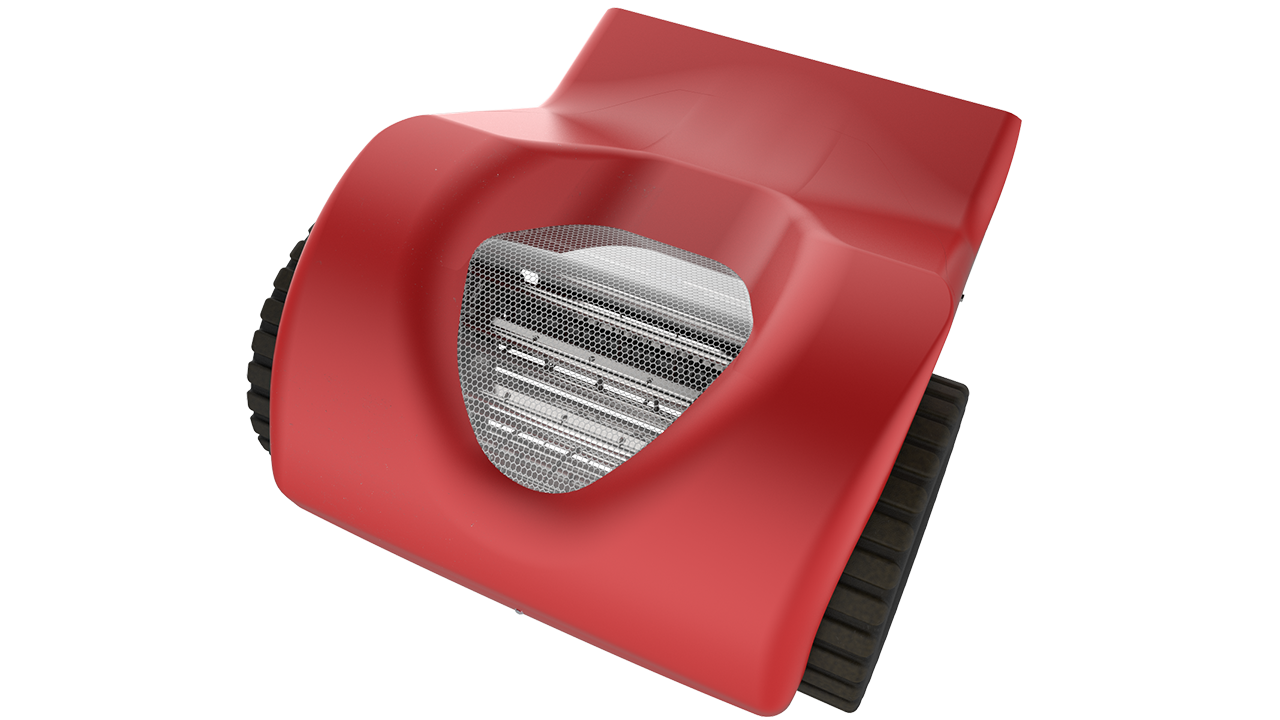
The aesthetics create associations to modern super cars and football boots. The form is emphasized by the contrast between the organic curved shell and the structural shape.
Documentation
© 2017 Martin Lundberg